Cold Therapy: the New Era of Performance and Regeneration
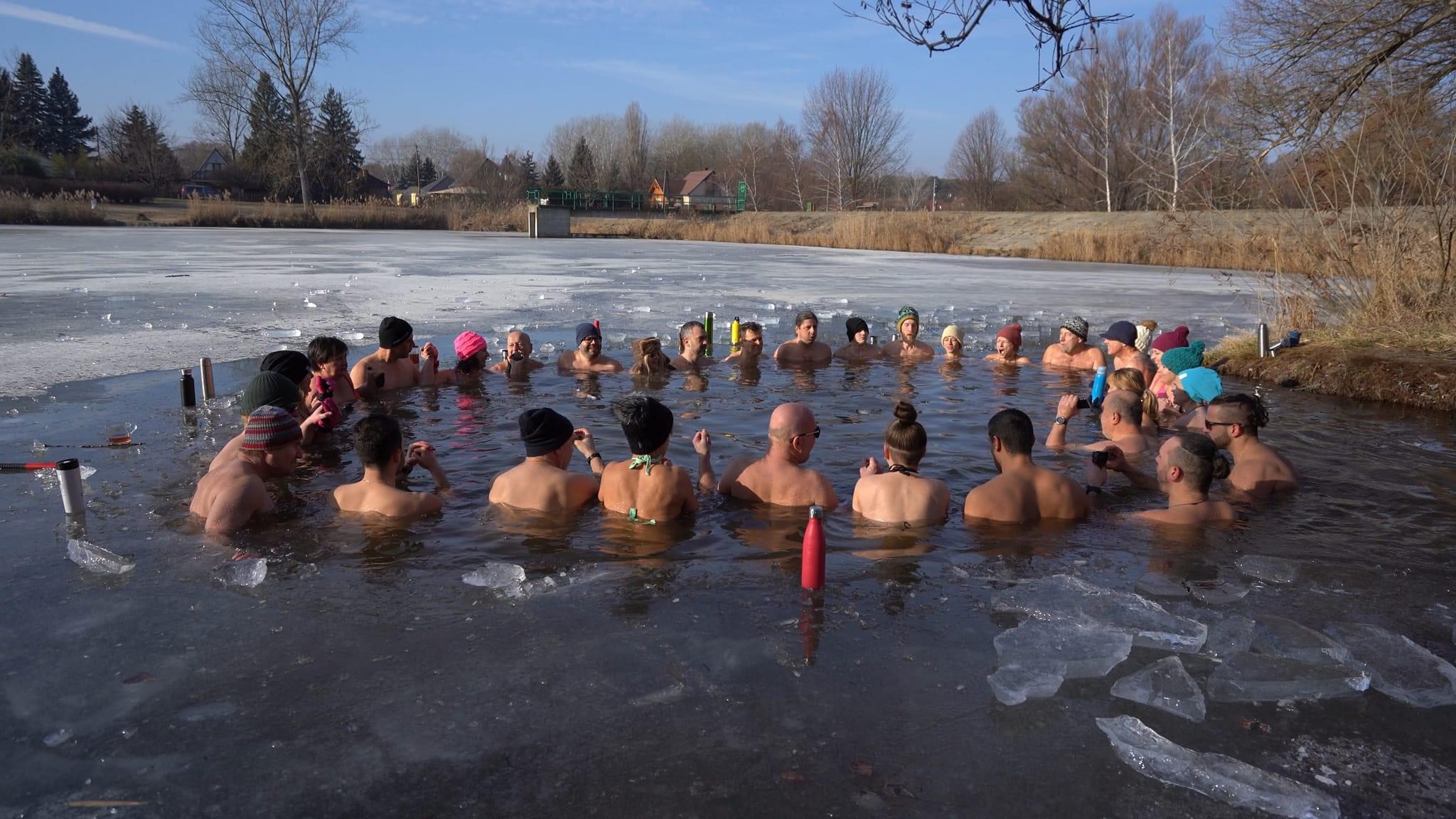
Cold exposure is a deliberate stress effect that triggers immediate defence mechanisms and hormonal cascades in the body, with long-term benefits.
Neurological and Mental Focus
Stress and Mood Regulation: The immediate shock of cold water immersion is noradrenaline (also known as norepinephrine). This hormone and neurotransmitter is significantly improves concentration, sharpens mental focus and improves mood.
Pain relief (Hypoalgesia): Research shows that extreme cold boosts endorphin production and raises the pain threshold, resulting in a short-term but powerful analgesic effect in both chronic and acute cases.
Mental Resilience: Regular exposure to cold trains the body to respond to stressors, in the long term reducing symptoms of anxiety and depression and strengthening mental resilience (a key aspect for senior managers).
Anti-inflammation and Regeneration (Sport and Spine Focus)
Relief of Muscle Fever (DOMS): Systematic meta-analyses have shown that cold therapy is highly effective in alleviating delayed onset muscle soreness (DOMS) and speeds up the neuromuscular regeneration after high intensity training.
Rehabilitation Support: Cold is an effective complementary therapy acute and chronic musculoskeletal problems, for example in the treatment of arthritis and fresh muscle or tendon injuries.
Inflammation Control: The cold constricts the blood vessels (vasoconstriction), which helps reduce inflammation and oedema in the affected area. Later, during the warming phase (vasodilatation), blood circulation is accelerated, removing waste products (e.g. lactic acid) and toxins from the tissues.
This latest scientific evidence shows that cold therapy in the Crossmove programme is a a science-based regeneration and performance enhancement strategy Part.